 11
11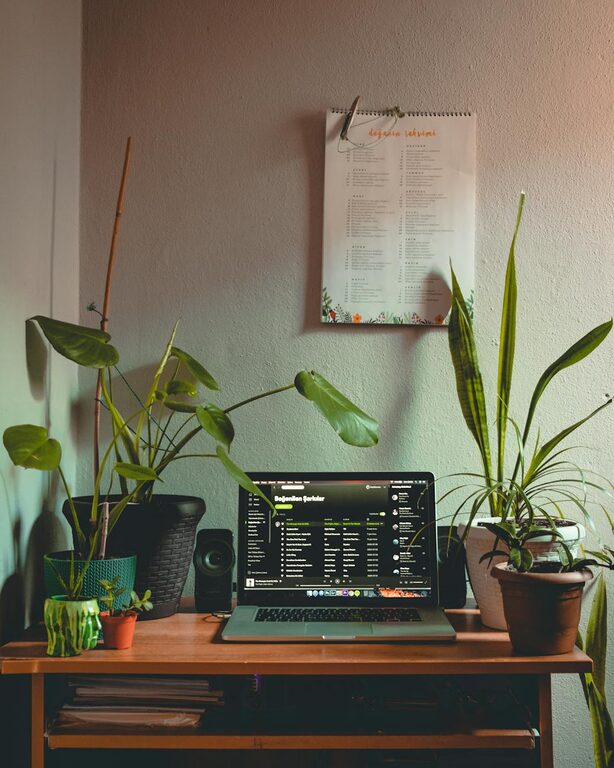
Creating a relaxing home workspace is essential for staying productive and maintaining your well-being, especially as more people adapt to working remotely. Your environment can either help you focus and feel motivated or cause unnecessary stress and distractions. The good news is, small changes can make a big difference in transforming your workspace into a calm and inspiring place. This guide offers actionable tips for designing a relaxing home workspace that supports both productivity and mental health.
When your workspace feels comfortable and peaceful, it can reduce anxiety and improve concentration. A clutter-free, well-organized environment helps clear your mind so you can tackle tasks more efficiently. Additionally, prioritizing your well-being by designing a space that feels inviting encourages healthy work habits and reduces burnout.
Ideally, select a part of your home with minimal foot traffic and noise. A quiet corner or a separate room helps limit distractions from family members, pets, or household activities.
Natural light plays a significant role in boosting mood and energy. Try to position your desk near a window where you can enjoy daylight without glare on your screen.
Sitting for long hours requires a supportive chair that encourages good posture. Look for adjustable features like seat height, lumbar support, and armrests to customize for your comfort.
Your desk should allow you to work with relaxed shoulders and straight wrists. Place your computer monitor at eye level to avoid neck strain and keep frequently used items within easy reach.
Soft, neutral hues such as light blues, greens, or taupes create a soothing atmosphere. Avoid overly bright or distracting colors that may cause visual fatigue.
Indoor plants not only beautify your workspace but can also improve air quality and promote a sense of calm. Choose low-maintenance plants like succulents, spider plants, or peace lilies.
Include a few personal touches like photos, artwork, or motivational quotes that uplift you. However, keep decorations minimal to maintain a clutter-free zone.
Remove unnecessary papers, gadgets, and other distractions from your desk daily. A tidy workspace helps your brain focus better and reduces stress.
Utilize drawers, shelves, and organizers to keep supplies neatly arranged. Labeling containers can make it easier to find what you need quickly.
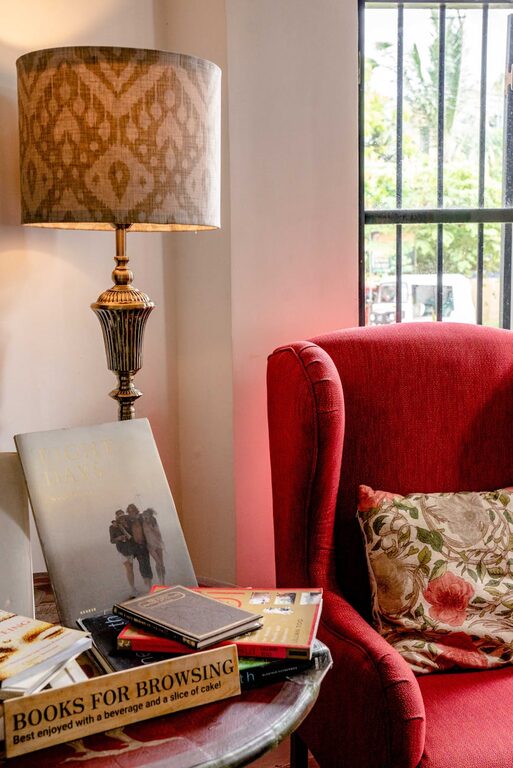
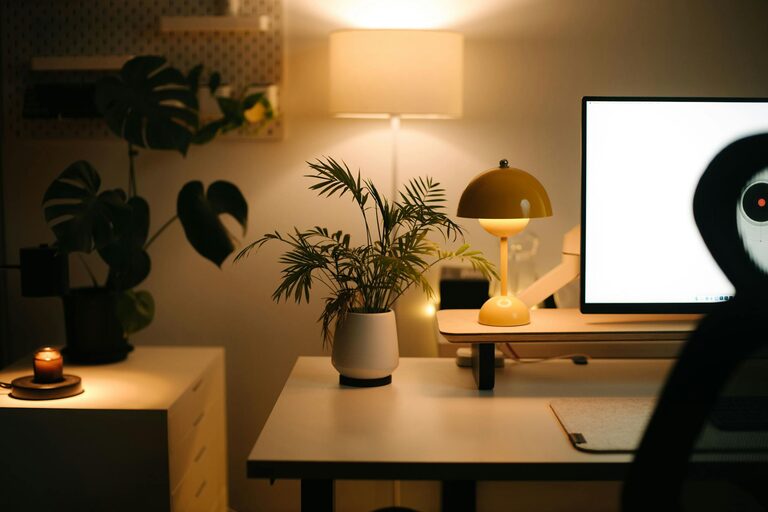
If natural light is limited, choose warm-toned lamps or LED lights with adjustable brightness. Avoid harsh fluorescent bulbs that can cause eye strain.
Some people find gentle background sounds like nature noises or soft music help improve focus and relaxation. Experiment with playlists or apps to see what works best for you.
A subtle, calming fragrance such as lavender or eucalyptus from essential oils or candles can create a peaceful ambiance. Ensure good ventilation and avoid overpowering scents.
Define specific start and end times for your workday to help your brain switch between “work mode” and “rest mode.” This separation supports mental well-being.
Incorporate short breaks to stand, stretch, or walk around. Movement refreshes your body and mind and prevents fatigue.
When finishing work, perform a simple activity like tidying up your desk or shutting down your computer to signal the end of the day.
Your ideal home workspace evolves with your needs. Regularly assess what’s helping or hindering your productivity and comfort. Don’t hesitate to make adjustments—whether it’s rearranging furniture, changing lighting, or updating equipment.
—
By thoughtfully designing a relaxing home workspace, you can improve your focus, efficiency, and overall well-being. Remember that comfort and calmness go hand in hand with productivity. Start with these practical tips, and enjoy a work environment that supports your best self every day.